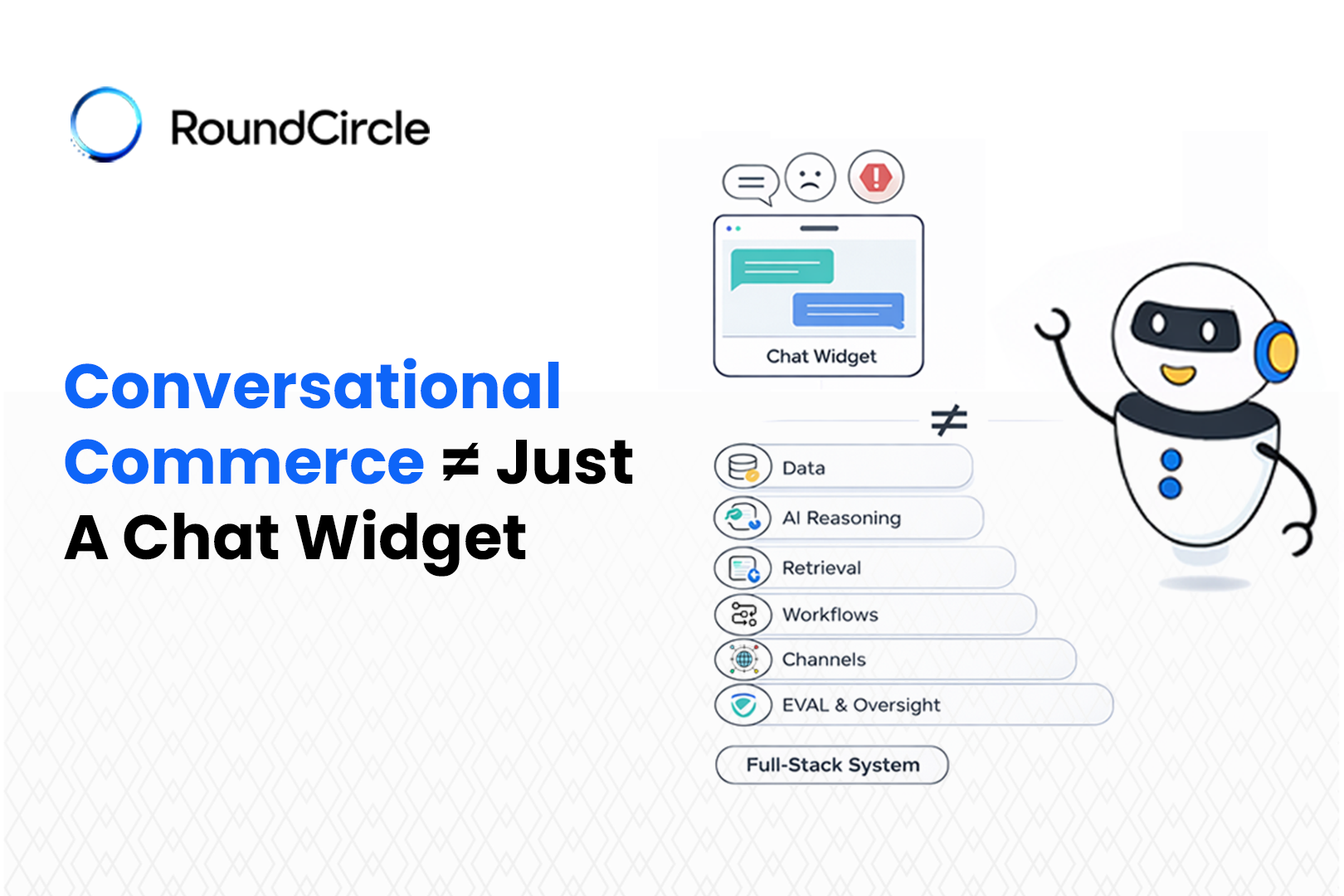
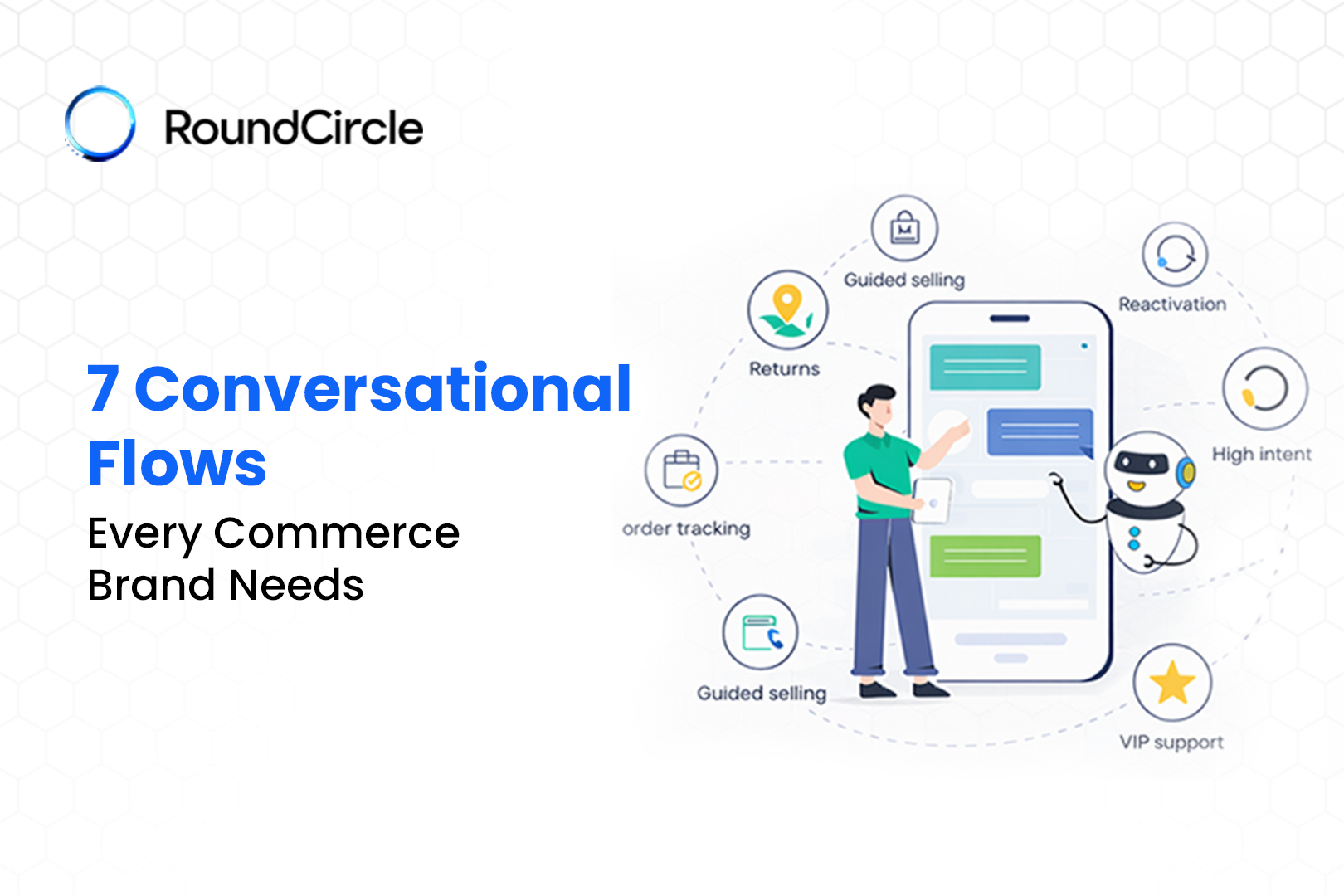
Most commerce brands try to improve CX by adding chat widgets, simple bots, or FAQ layers. These tools answer questions, but they do not guide customers through real buying moments. Modern customers expect support that feels informed, fast, and relevant to their context. This is where conversational flows matter. They shape the experience, reduce friction, and direct customers toward decisions that support revenue.
This article outlines the seven conversational flows that every commerce brand should have in place. These flows influence conversion, retention, satisfaction, and lifetime value. They also prepare brands for a future where agents do more than respond. They support discovery, reasoning, and multi step tasks across journeys.
WISMO: The Most Common Flow in Commerce
“Where is my order” remains the highest volume question in commerce support. It affects customer satisfaction and internal cost. WISMO flows need more than tracking links. They need context, clarity, and reliable updates.
A strong WISMO flow should:
- understand the order
- confirm location
- give clear steps for next actions
- provide accurate timelines
- help customers feel informed instead of anxious
Brands that improve WISMO reduce support load and create smoother post purchase experiences.
Returns: A Flow That Directly Influences Loyalty
Returns can either increase trust or cause frustration. Customers want an answer that feels simple and predictable. A conversational flow can guide the entire process without confusion.
A well built returns flow:
- identifies the right order
- checks eligibility
- explains return conditions
- offers alternatives when relevant
- completes the request within the same conversation
Returns are not only a cost center. When handled with clarity, they support long term retention and future purchases.
Guided Selling: Helping Customers Make Confident Choices
Most shoppers arrive with partial information. They want help understanding differences between products, variations, and suitability for their needs. Guided selling flows act like a knowledgeable store associate.
These flows:
- ask simple qualifying questions
- understand customer goals
- compare products correctly
- explain relevant factors
- offer clear recommendations
Guided selling improves conversion because it reduces doubt and prevents decision fatigue. It helps customers reach the right choice quickly.
Reactivation: Bringing Dormant Customers Back
Dormant customers still carry strong potential value. Many left because they were not sure what to buy next or did not find timely support. Reactivation flows reach out with context and clarity.
An effective reactivation flow:
- identifies past behavior
- asks about current goals
- recommends products that make sense
- offers support for common obstacles
- brings the customer back into an active cycle
Reactivation flows reduce churn and support predictable revenue.
High Intent Lead Flow: Turning Interest Into Action
Many high intent users fail to convert because they do not receive the right support at the right moment. A conversational flow designed for high intent situations can change outcomes.
This flow should:
- identify a high intent query
- clarify what the buyer is trying to accomplish
- reduce friction
- provide fast answers
- direct the user to the correct next step
High intent flows influence revenue more than most teams realize. They create a clear path from interest to commitment.
VIP Concierge: Experiences Built for Customers Who Matter Most
Every brand has customers who expect premium support. A VIP concierge flow creates a structured, personal experience that feels helpful, fast, and dedicated.
A strong VIP flow includes:
- priority routing
- faster responses
- deeper product knowledge
- exclusive recommendations
- access to solutions that standard flows do not cover
VIP flows help brands strengthen relationships with top tier customers. These customers often contribute more lifetime value than any other group.
Proactive Delay Flow: Controlling Expectations Before Problems Grow
Delays happen. What matters is how brands communicate them. Most customers respond better to proactive updates than reactive apologies. A proactive delay flow prepares customers with clear information.
This flow should:
- notify customers early
- explain what is happening
- offer updated timelines
- present alternatives
- reassure the customer that progress continues
Proactive flows protect trust and reduce the volume of support tickets. They help customers feel informed and respected.
Why These Seven Flows Matter
Commerce becomes healthier when conversations feel helpful and predictable. These seven flows influence the parts of the journey where customers feel the most uncertainty. They support decision making, reduce friction, and improve the way customers experience the brand.
Brands with strong conversational flows see improvements in:
- conversion rate
- customer satisfaction
- repeat purchase behavior
- average order value
- support efficiency
- long term retention
These flows also prepare teams for agentic systems that support reasoning, retrieval, and task execution across channels.
Next Steps for Commerce Leaders
C-suite leaders focused on growth and customer experience should review these flows and identify where their organization has gaps. A single strong flow can improve conversions. A complete set can transform how customers buy, seek help, and stay loyal.
This topic will move quickly as agentic systems become standard across commerce. Brands that prepare now will stay ahead of customer expectations.
Book a strategy call with RoundCircle to plan your next wave of AI driven capability.