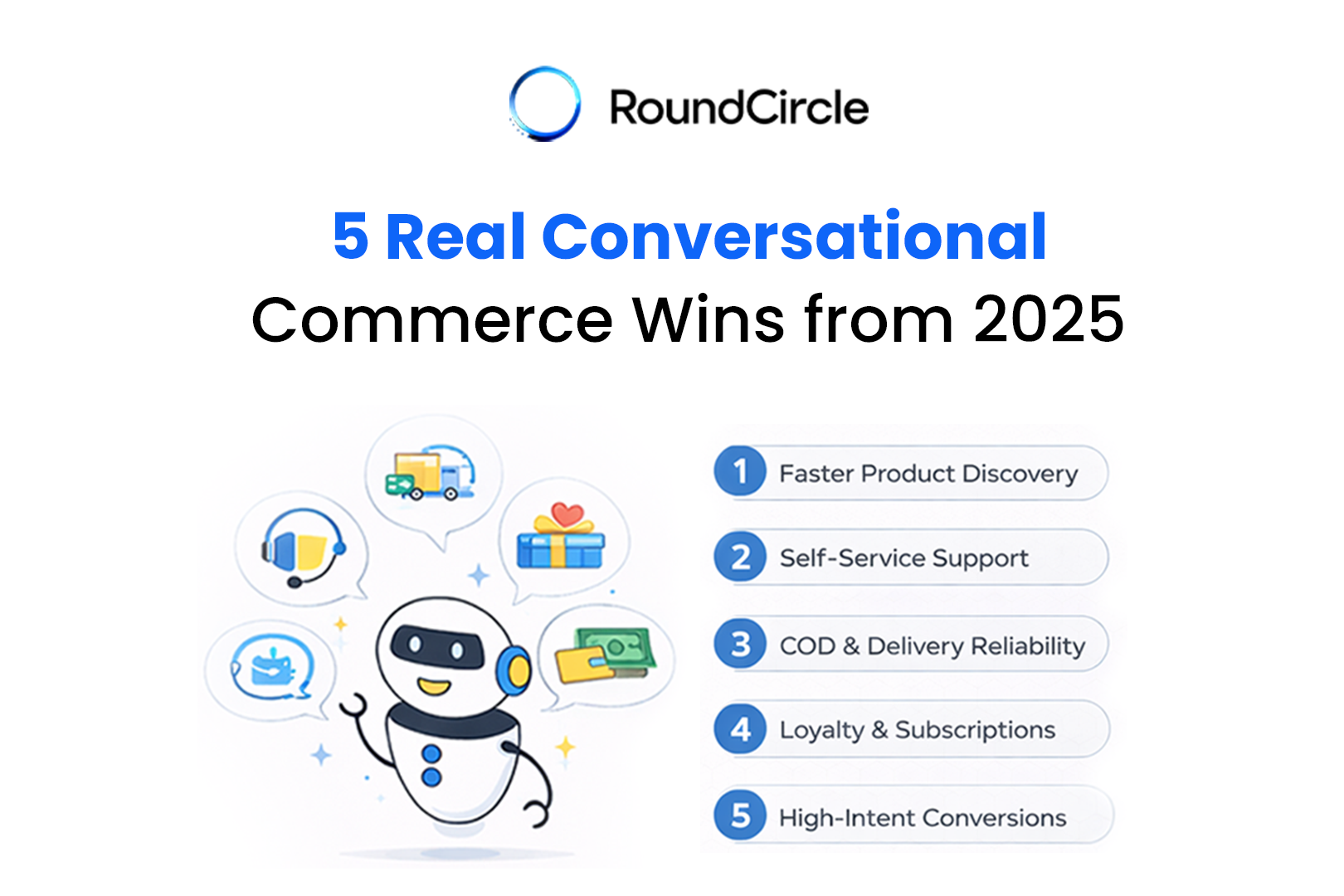
2025 proved that conversational commerce is no longer an experiment. Brands across industries used conversational AI to improve clarity, shorten decisions, and support customers through the moments that influence revenue. What surprised many leaders was not the technology itself but how these systems improved real outcomes when focused on simple, targeted flows.
This article highlights five real wins from 2025. Some examples come from public sources. Some are based on common patterns that RoundCircle teams have seen across deployments. Together, they show how practical conversational use cases can shape the customer journey in ways that static interfaces cannot.
Faster Product Discovery That Improved Conversion
Customers often struggle to pick the right product because they are unsure about variations, compatibility, or differences between similar options. Conversational flows give them clarity. A simple exchange helps them narrow choices instead of scanning long pages.
A public case study from a conversational AI provider noted that a beauty brand improved conversion by guiding customers through short product questions. The brand reported that more shoppers reached checkout because the agent helped them pick the correct shade and formula. This example shows how small decisions influence the final outcome.
A similar pattern appeared with a home electronics retailer. Many customers needed help choosing accessories that worked with their devices. The conversational system understood requirements, asked direct questions, and presented the correct matches. Customers felt more confident, which increased the number of completed purchases.
The lesson is clear. Guided discovery helps customers reach confident decisions and reduces hesitation that often prevents conversion.
Support Load Reduction Through Accurate Self-Service Flows
Support teams spend large parts of their day answering a small set of predictable questions. These questions include order status, return steps, warranty conditions, and basic troubleshooting. Conversational systems handle these efficiently by providing direct, consistent answers.
One public example comes from the telecom sector. A provider reported that conversational troubleshooting helped customers solve simple technical issues without involving support agents. This reduced the overall ticket volume and improved resolution speed.
A fashion brand experienced a similar outcome. The brand implemented conversational flows for WISMO and returns. Customers received immediate updates and clear instructions. The internal team spent less time on repetitive questions and more time on complex cases.
Self-service does not replace human support. It supports customers early, so teams can focus on higher value problems. This improves both experience and operational efficiency.
COD and Delivery Reliability Gains in Middle East Markets
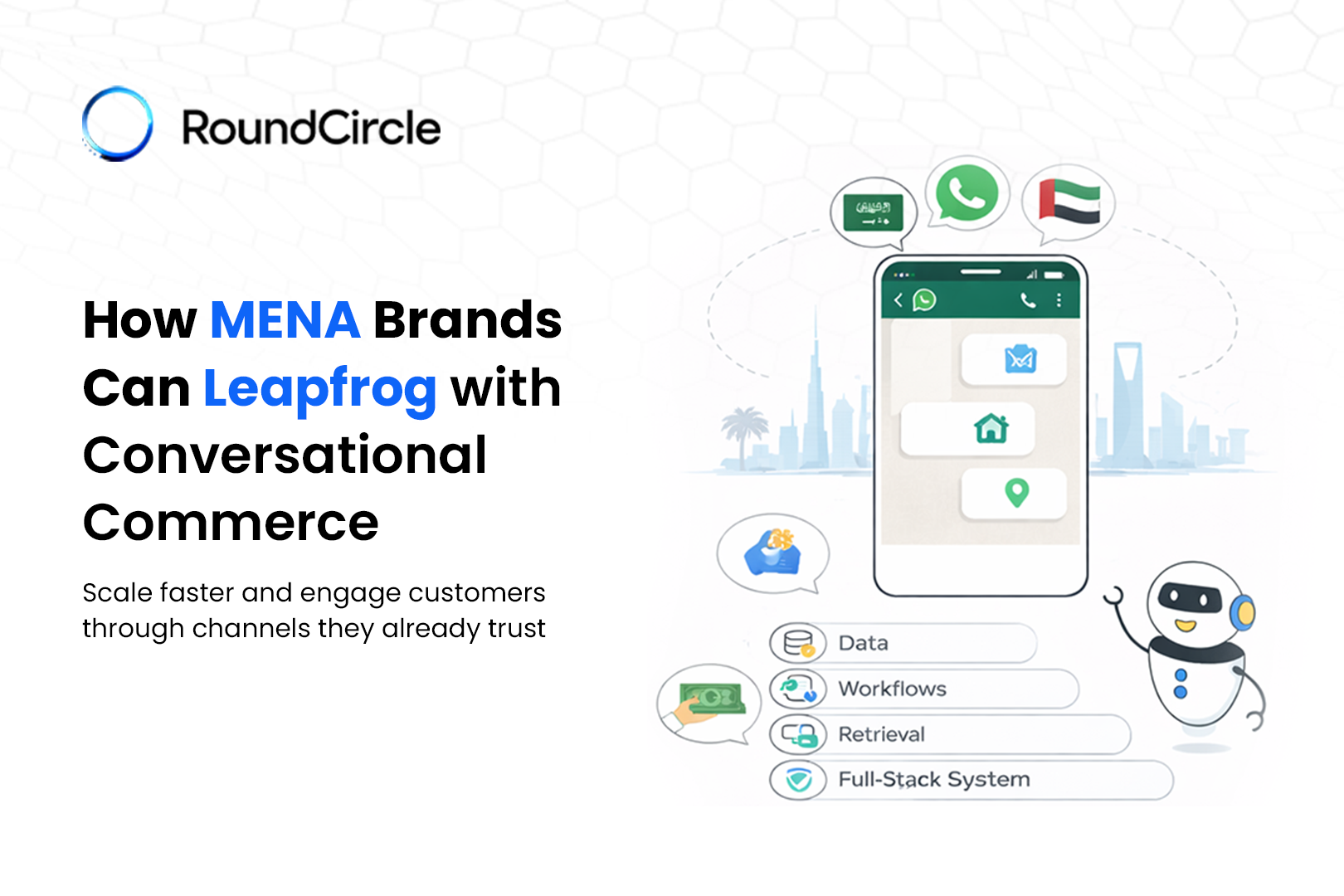
Several MENA brands faced friction with cash on delivery orders and delivery coordination. COD creates the risk of failed drop offs when customers cancel late or do not confirm availability. Delivery partners often need more information to complete the final step.
A GCC retailer improved these outcomes with a conversational confirmation flow. Customers received a short message confirming the order and asking if the delivery window worked for them. Customers responded quickly through chat because the channel felt natural. This reduced failed deliveries and helped the brand control logistics cost.
Public insights from WhatsApp commerce adoption reports show similar behavior across the region. When customers receive relevant prompts before delivery, they respond faster and with more clarity.
Delivery is a critical moment. When brands communicate through natural channels, reliability improves and costs go down.
Subscription and Loyalty Growth Through Personalized Guidance
Subscription commerce depends on timely reorders and helpful reminders. Customers want to know which products fit their needs and when they should restock. Conversational flows help them solve both.
A public case from a wellness brand showed how conversational upsell recommendations improved subscription retention. Customers received reminders that matched their usage patterns, and the agent supported refill choices.
An anonymized scenario shows something similar. A household supplies brand used conversational flows to identify when customers were running low. The agent helped customers choose the correct refills based on past orders. This reduced guesswork and encouraged repeat purchases.
When conversational systems help customers stay on track, loyalty improves because the experience feels personal and supportive.
High Intent Lead Capture That Feels Human and Direct
High intent moments often go unnoticed. A customer may arrive with a direct question, but if the response is slow or unclear, the opportunity disappears. Conversational systems help brands capture these moments.
A public case from a SaaS company showed that conversational screening improved lead quality. Prospects answered short questions that helped the team understand their needs. This made follow ups more focused and increased the number of qualified conversations.
In retail, a large brand used conversational flows to support customers who asked specific pre purchase questions. The system helped answer product details and guided customers to the correct page or human agent. This reduced drop offs and increased conversions.
High intent questions are valuable signals. Conversational flows help brands respond quickly, which builds confidence and increases the chance of a completed purchase.
What These Five Wins Reveal
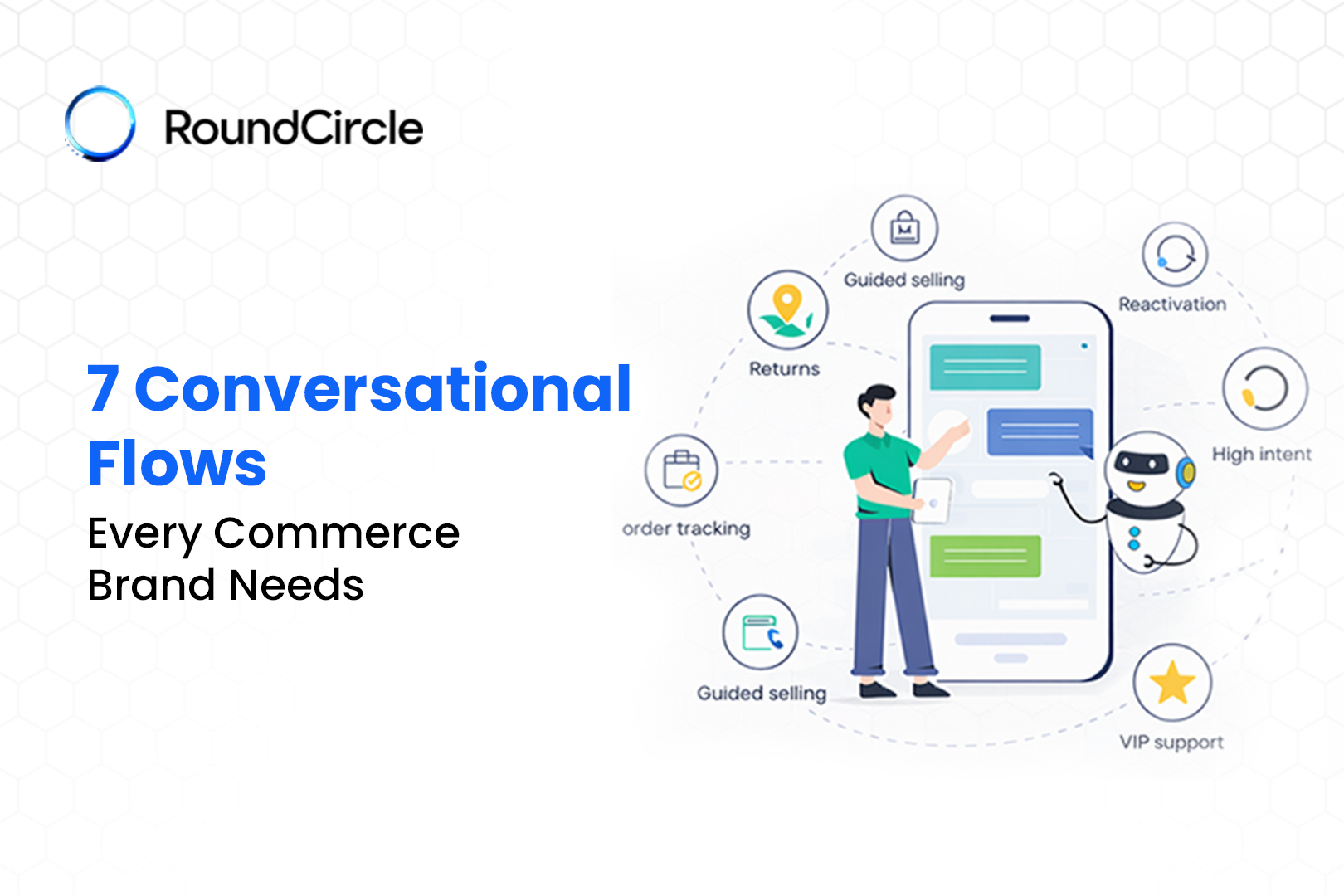
Brands see results when they focus on practical conversational flows that help customers move with clarity. They do not need complex systems. They need direct interactions that support decisions, simplify service, and reduce confusion.
A strong conversational system influences:
- discovery
- comparison
- delivery
- subscription
- returns
- high intent moments
These interactions help customers progress with confidence. This leads to healthier metrics across conversion, support, and retention.
How RoundCircle Helps Teams Build These Wins
RoundCircle supports the full conversational stack for commerce. This includes:
- guided product flows
- multi step workflows
- delivery and COD coordination
- Arabic and multilingual support
- custom models for catalog reasoning
- OMS and CRM integration
- EVALs for reliability
- observability for consistent improvement
These capabilities help teams create experiences that match customer needs and improve outcomes across journeys.
Next Steps for Commerce Leaders
The wins from 2025 show that conversational commerce works best when it focuses on simple flows that matter. Brands that adopt these flows early gain smoother customer journeys and stronger revenue patterns.
To explore which conversational use cases fit your business:
Book a demo with RoundCircle to see how conversational commerce can support your customer journey.